Garden clearance in Greenwich

Garden clearance in Greenwich should leave outdoor spaces tidy, workable and ready for whatever comes next, whether that means a lighter maintenance routine, new planting, turf replacement or simply a safer, clearer layout. We provide a practical clearance service for domestic and commercial outdoor areas, taking away general green waste, broken garden materials and other unwanted items gathered in sheds, borders, corners and hardstanding. The aim is straightforward: remove what is no longer needed and leave the space easier to manage.
Typical work can include the collection of cut branches, hedge trimmings, leaves, lawn clippings, pots, cracked planters, old bags of soil, fencing offcuts and mixed outdoor clutter. Where access is straightforward, items can usually be gathered from the rear garden, side return, driveway or front path without fuss. For larger or more awkward clearances, we can plan the work so that heavier or bulkier items are handled in a sensible order, helping to keep the job efficient and the site organised.
If you are comparing options, it is often useful to think in terms of what needs removing, how the garden is accessed and whether any items need separate handling because they are heavy, dirty or mixed with non-garden material. A clear list of the main items makes quoting more straightforward, especially where the space contains both organic waste and other unwanted contents. If you are ready to make progress, send the details you already have and request a quotation.
Garden waste clearance and green material removal
Garden waste builds up quickly after pruning, mowing, seasonal cutting or an overdue tidy-up. Our clearance work covers the removal of common green waste such as branches, twigs, hedge cuttings, dead plants, roots, grass cuttings and leaf litter. We also deal with mixed outdoor waste where natural material has been stored alongside old sacks, damaged pots or weathered garden accessories. The goal is not simply to collect loose debris, but to remove the material in a way that leaves the site visibly more manageable.
Different loads call for different handling. Branches and woody cuttings may be best bundled to keep movement tidy, while lighter leafy waste can be collected in bags or loose loads depending on the condition of the site. If a garden has been neglected for a while, we can work through the layers methodically rather than treating everything as the same type of waste. That matters because it helps avoid unnecessary disturbance to the parts of the garden you still want to keep, such as beds, paths, edging, planters or lawn areas.
Some customers want one-off clearance after a burst of growth, while others need a more substantial tidy before the garden can be maintained properly again. Either way, the service is built around removing unwanted material and making the space easier to use. For a straightforward start, tell us what is there now and what should remain in place. A concise description is usually enough to begin.
Outdoor rubbish, old fittings and bulky items

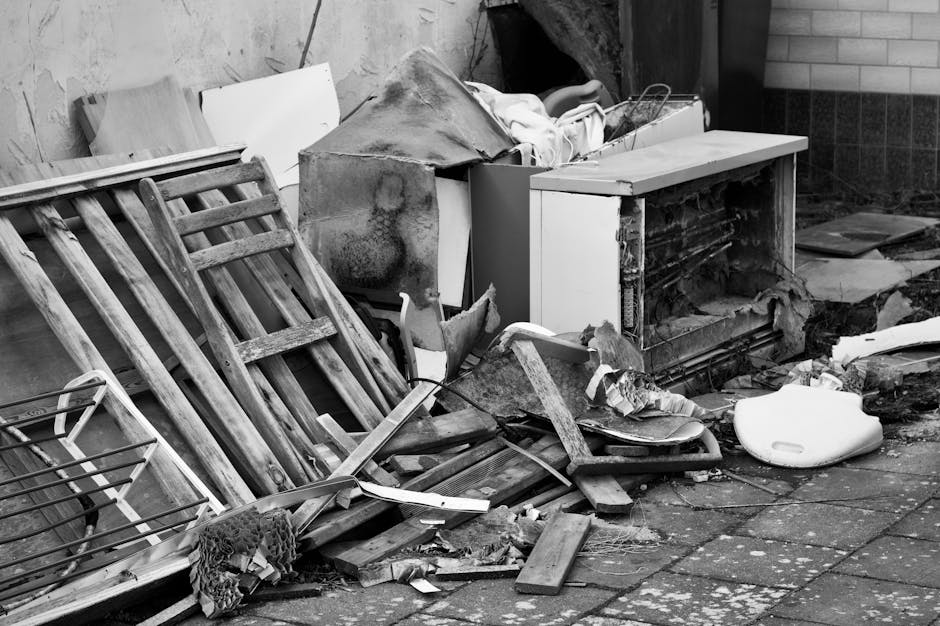
Not every garden clearance is made up of pure green waste. Many outdoor spaces contain a mix of old fittings, unused household items and tired garden equipment that has accumulated over time. We can clear broken furniture, worn plant stands, rusting metal items, damaged ornaments, old watering cans, collapsed storage pieces and other objects that no longer serve a purpose. This is especially useful where the garden has effectively become a holding area for things that were never meant to stay outside permanently.
Bulky or awkward items often require a more careful approach than lightweight rubbish. Heavy bags, timber sections, broken panels and weathered containers can be difficult to shift without blocking paths or damaging existing surfaces. We take a practical view of the layout and move items in a way that suits the site. If a garden contains a blend of disposal work and simple tidying, the process can be organised so that the removal is done cleanly without overcomplicating the job.
When you ask for a quote, it helps to mention whether the clearance is mostly green waste, mostly old garden contents or a mixture of both. That distinction can affect how the work is planned and how much vehicle space the load may require. For mixed outdoor waste, accurate description matters, because the difference between branches, broken furniture and general clutter is important when estimating the job properly.
Working through sheds, corners and overgrown spaces

Over time, sheds, side areas and back corners can fill with items that are difficult to sort in a hurry. Garden clearance in Greenwich often involves these overlooked places as much as the visible lawn or patio. We can clear out old bags, forgotten tools, broken pots, empty containers, spare timber, disused hose reels and other items that have been left to gather dust or damp. By dealing with these hidden pockets of clutter, the whole garden becomes easier to inspect and maintain.
In overgrown spaces, the first task is often simply separating what is part of the living garden from what should be taken away. That might mean distinguishing waste from roots, deciding which materials are loose enough to move safely, or dealing with items that have become tangled in foliage. Clear paths and sensible working order matter here. A careful approach helps preserve the parts of the garden you are keeping while removing the unwanted material from around them.
If the area includes a shed or outbuilding, the same careful logic applies indoors. You may not need everything removed from the structure, only the contents that are no longer wanted. Make a quick list of the larger items first, then note any smaller categories that matter, such as tools, bags, timber or containers. That gives a much clearer starting point for a quotation and keeps the work focused.
How our clearance service is organised
The practical side of a garden clearance usually comes down to access, item types and how much sorting is needed on site. Some gardens allow direct removal from a side gate or rear path, while others need a little more manoeuvring because of narrow entrances, steps or awkward turns. We organise the work around the layout so the clearance happens in a controlled way rather than a rushed one. That approach is especially useful where there are delicate surfaces, planted borders or fixed features to work around.
A well-planned job also reduces disruption to the rest of the property. If there are items to be kept, it is helpful to separate them before the clearance starts. The same applies to anything that needs special attention because it is unusually heavy, damp, fragile or tangled. Photographs can help when a garden is difficult to describe, but they are not the only useful detail. A short written note about access, the main waste types and any awkward items is often enough to support an initial estimate.
For anyone organising a clearance after a period of neglect, the key decision is usually whether to tackle the obvious waste first or include the smaller bits and pieces that have been hidden underneath. Doing both in one visit can be practical because it leaves the garden genuinely clearer, rather than only partly improved. If you want the job handled in that joined-up way, ask for a quotation and outline the scope as clearly as you can.
What affects the quotation

Quotation levels for garden clearance tend to depend on the amount of waste, the mixture of materials and the ease of loading. A few bags of light clippings are very different from a garden filled with branches, broken panels, soil-heavy sacks and miscellaneous outdoor items. The more varied the load, the more useful it is to describe what is included. This does not need to be complicated; a concise outline of the main categories is usually enough to show the likely scale of the work.
Access is another practical factor. Clear, direct access may allow the work to proceed faster, while tight side passages, stairs, long carries or difficult parking considerations can shape the plan. There can also be differences between a simple tidy, a partial clearance and a full removal of everything from a certain area. We keep the scope focused on the items you want taken away, rather than assuming extra tasks that were never requested. That way the quote stays relevant to the actual job.
If you are gathering information before you enquire, a simple checklist can help:
- main items to remove
- approximate amount of waste
- any heavy, damp or awkward pieces
- access details, such as gates or steps
- anything that must stay in the garden
Garden clearance for tidying, renovation and sale preparation
Garden clearance is often the first stage in a broader outdoor project. Before new planting, resurfacing, fencing work or a general garden refresh, it is helpful to remove the material that would obstruct the next phase. That may include old compost bags, rotting timber, damaged edging, unused ornaments and accumulated waste that has been sitting at the margins of the space. Clearing these items first gives you a cleaner starting point for whatever you plan to do next.
For properties being prepared for sale or new occupancy, the same practical logic applies. A garden that is free from clutter and obvious waste is easier to present and easier to assess. Even where the work is modest, removing the obvious obstacles can make a noticeable difference to how the outdoor space reads as a whole. We do not need to overstate the result: the job is simply to remove the unwanted material so the area is in a better condition for the next step.
If you are coordinating several outdoor tasks, it can help to decide whether the clearance should happen before or after any other contractor visits. A little timing thought avoids overlap and keeps the site easier to manage. Tell us the sequence you have in mind and ask for a quotation that matches the stage of the project you are at.
About Greenwich
Greenwich is a historic district in south-east London on the south bank of the River Thames, long associated with navigation, timekeeping and royal history. The area takes its name from Old English roots and developed around a riverside settlement that later became closely linked with the Royal Navy and maritime trade. The Old Royal Naval College, designed by Sir Christopher Wren and others, forms one of the most recognisable architectural ensembles in London, with its grand domes and colonnades creating a formal riverside presence. Nearby, the National Maritime Museum and Queen’s House add further layers of cultural and architectural interest, while Greenwich Park offers one of the capital’s best-known elevated open spaces, with broad views over the river and towards central London. The park itself has royal associations stretching back centuries and remains a key part of the district’s identity. Greenwich Market, the Cutty Sark and the pedestrian-focused centre around the town centre contribute to a strong mix of heritage, commerce and everyday life. The riverfront, historic buildings and open green spaces sit alongside modern transport links, including the Docklands Light Railway and river services, giving the area a blend of old and new that is unusual even within London. This combination of maritime landmarks, academic and museum buildings, residential streets and public parks gives Greenwich a distinct character, shaped by its waterfront setting and long historical development.
Types of garden clearance we handle
Different gardens need different levels of attention, and a clear description of the site helps us match the work to the task. Some customers need a light tidy focused on cuttings and loose waste, while others need a fuller clearance involving awkward mixed items and a more cluttered layout. The service is flexible enough to deal with a range of outdoor conditions without turning the job into something more complicated than it needs to be. The main goal is always the same: remove the unwanted material and leave the area more usable.
We can also work through outdoor spaces where the waste has been left in stages over time. That can mean one area near the back door, another around a shed and another in a separate corner of the garden. Rather than treating each pile in isolation, it is usually better to think about the space as a whole and remove what has accumulated in a logical order. That approach creates a more complete result and makes it easier to see what, if anything, remains to be done afterwards.
If you are unsure whether your job counts as a tidy, a partial clearance or a fuller outdoor removal, do not worry about using exact labels. A plain description of the items and the garden layout is more useful than a guessed category. Clear communication is often the simplest route to a fair quotation, so send what you know and ask us to quote from that.
Preparing for a quote and arranging the work
Before asking for a quotation, it helps to note the main types of waste, whether there are any bulky pieces and how easy it is to reach the garden. That is usually enough to start a useful conversation without making the process feel administrative. If you have photos, they can support the description, but a written summary still matters because it explains what should be removed and what should stay. Keep the information focused on the items and access, not on every small detail of the property.
It is also sensible to think about timing in a practical way. If the garden has a lot of loose cuttings or soggy material, leaving it too long may only make the load more awkward to handle. Likewise, if you have other work planned, it may be better to schedule the clearance so the garden is ready when needed. We keep the work grounded in the task itself, so you are not left trying to adapt a generic service to a specific space. That makes the quotation stage simpler and the outcome easier to plan.
When you are ready, request a quotation with the basic information to hand and we will help you move the job forward. If your enquiry is about mixed waste, an overgrown plot or a garden that needs a more substantial tidy, say so plainly and include the items that matter most. A concise, well-described enquiry is the quickest route to a clear response.